

About the Conference
Day 1 Presentations
The Modern Medical Nemesis: Polypharmacy in Patient Care
 Alan Cassels, CD, MPA
Biography >
Fifty years ago, philosopher Ivan Illich published Medical Nemesis, which suggested that medicine had overstepped its bounds and been transformed from a tool of healing into a source of harm.
In this thought-provoking presentation, pharmaceutical policy researcher Alan Cassels exposes how overdiagnosis and overprescribing have transformed many individuals into lifelong patients — and reveals practical ways to break the cycle of dependency and medication overload.
Medication Detoxification: Principles and Practice
 Paul Anderson, NMD
Biography >
Prescription medications can accumulate in the body, affecting metabolic functions and overall health. This presentation focuses on how to identify and prioritize medication detoxification strategies while supporting key organ systems, including the liver, kidneys, and gastrointestinal tract.
Dr. Anderson also presents information about the use of oral and intravenous nutrients to aid in detoxification, along with the therapeutic roles of sauna therapy, hydrotherapy, and phototherapy, as integrative methods to enhance the body’s natural elimination processes and restore balance.
Pain Medication Deprescribing and Patient Management
Paul Anderson, NMDBiography >
Pain management via central and peripherally acting drugs is both a necessary part of medical practice and a challenging aspect of patient management.
In this presentation Dr. Anderson discusses the pharmacology of commonly used pain medications, strategies for tapering, and methods for detoxification. He also presents evidence for using nutrients, botanicals, and other supportive therapies to assist in managing pain and minimizing medication dependency.
Pharmacogenetics for Improved Prescribing Outcomes
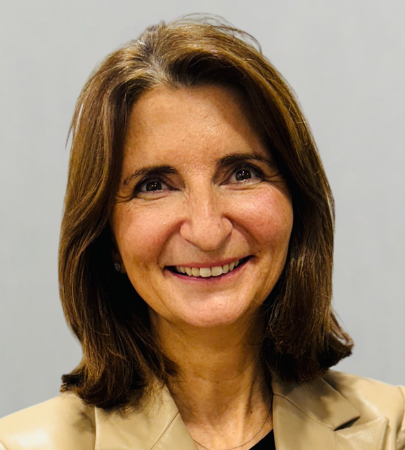 Ana Sabater
Biography >
Pharmacogenetics is revolutionizing healthcare by enabling more precise drug prescribing based on individual genetic profiles. This is especially critical for commonly prescribed medications such as painkillers, selective serotonin reuptake inhibitors, oncology drugs, and statins.
Ana Sabater provides insight into how genetics shape our metabolic response to medication and can be used to predict drug efficacy, minimize side effects, and improve treatment outcomes.
Proton Pump Inhibitors: Deprescribing and Polypharmacy Reduction
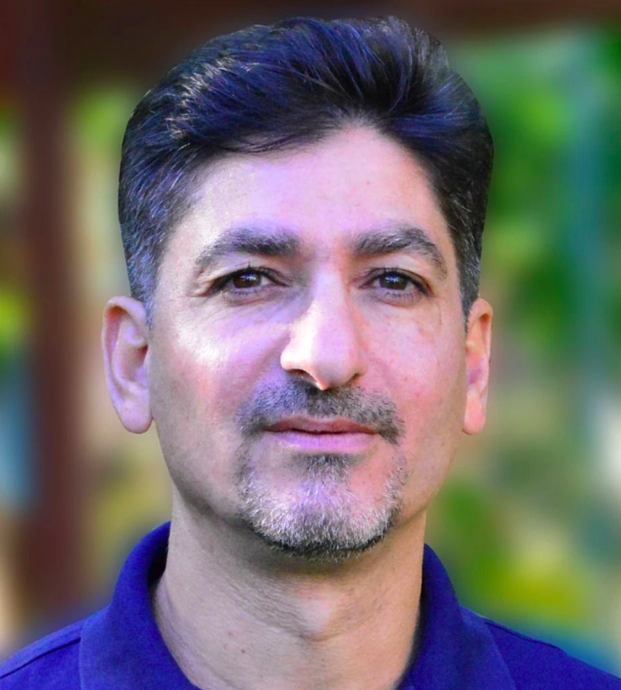 John Gannage, MD
Biography >
Proton pump inhibitors (PPIs) are among the most frequently prescribed medications, yet research suggests they may be overused and lead to serious health risks.
In this presentation Dr. Gannage examines the potential dangers of long-term PPI use, including increased risks of cardiovascular events, kidney disease, infections, and nutrient deficiencies. He also provides practical information on deprescribing PPIs and supporting optimal digestion through non-pharmaceutical interventions.
Day 2 Presentations
Metabolic and Repurposed Drugs in Cancer Care
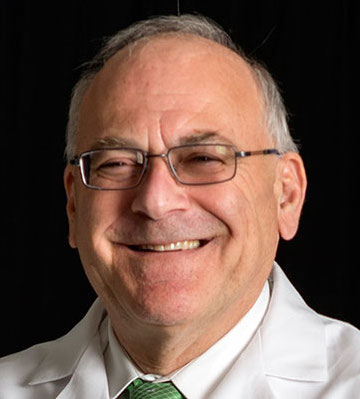 Paul E. Marik, MD
Biography >
The traditional view of cancer, known as the somatic mutation theory, is being challenged by a growing body of research supporting the metabolic theory of cancer.
In this presentation Dr. Marik discusses how cancer cells rely on altered metabolism—such as abnormal glycolysis—and how targeted metabolic interventions using repurposed drugs and nutraceuticals can influence cancer cell apoptosis, inhibit cancer stem cells, angiogenesis and metastasis, and modulate immune system activity.
Deprescribing Cardiovascular Drugs: Statins and Beta-Blockers
 Lindsay Adrian, ND
Biography >
While commonly prescribed cardiovascular medications—particularly statins and beta-blockers—can contribute to statistical improvements in disease management, they are also among the most over-prescribed pharmaceuticals in the developed world.
In this presentation Dr. Adrian reviews the evidence for actual benefits versus the marketing claims for these medications, and provides an outline of when and how to safely deprescribe. Strategies for minimizing side effects and the use of natural health products as alternative options is also addressed.
Therapeutic Applications of Oxygen for Neurological Conditions
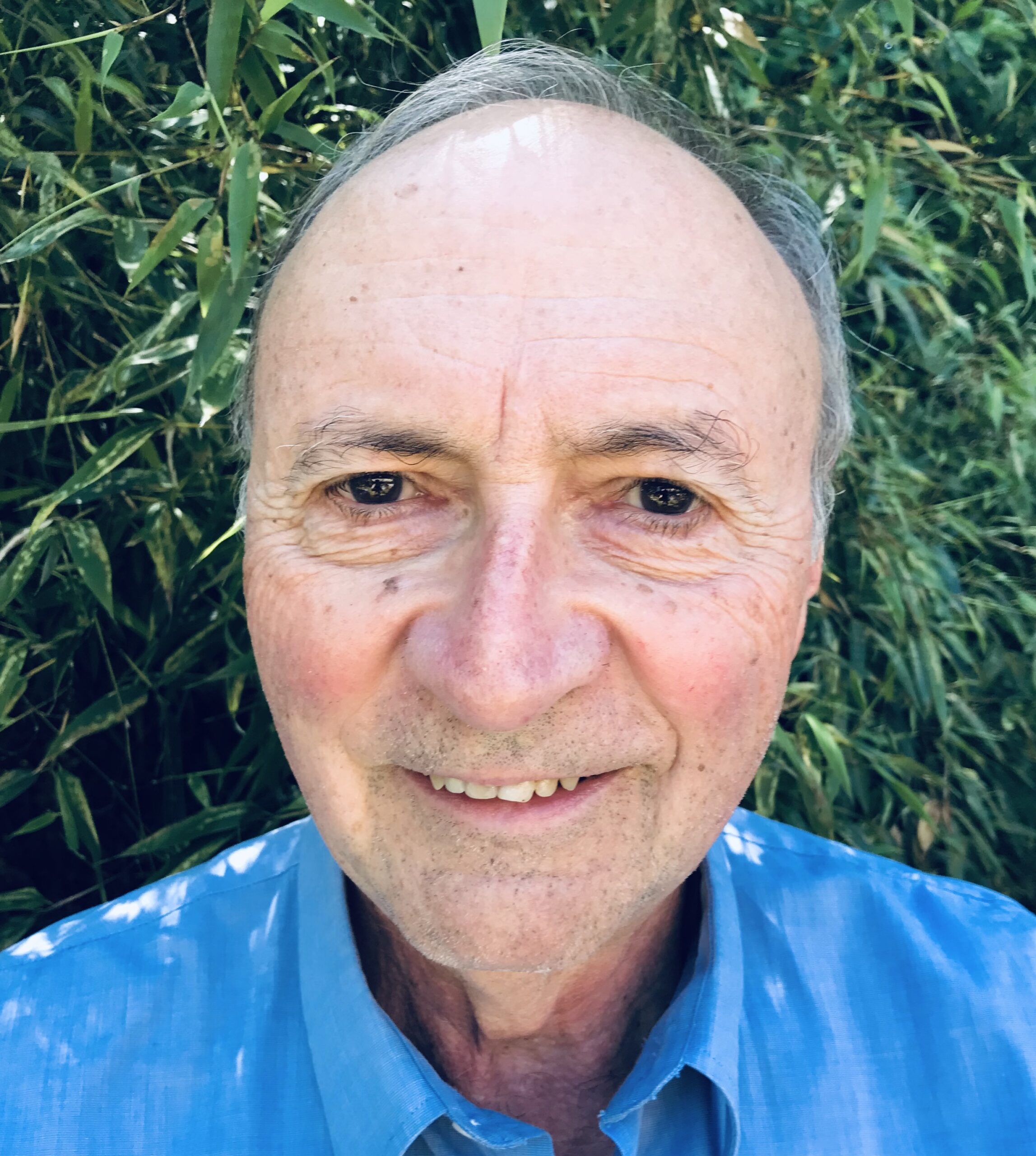 William Code, MD
Biography >
Cutting-edge research has revealed the vital role of oxygen in cellular health and its ability to regulate gene expression. This presentation explores the use of hyperbaric and normobaric oxygen therapy to reduce the need for medications in patients with complex neurological and vascular conditions including headaches, peripheral neuropathy, traumatic brain injury, multiple sclerosis, and stroke.
Electromagnetic Fields: The Missing Link in Optimal Health and Chronic Illness
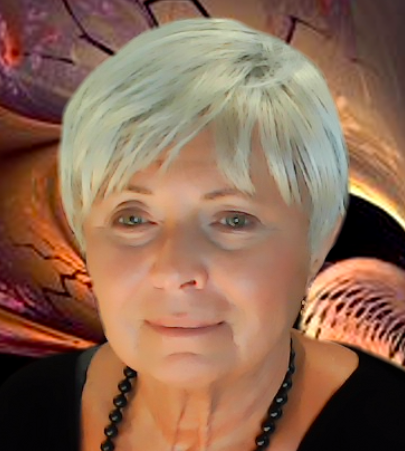 Magda Havas, PhD
Biography >
The current paradigm shift in health care is raising awareness of the importance of electromagnetic frequencies in maintaining optimal health and preventing disorders linked to electromagnetic pollution.
Dr. Havas discusses how electromagnetic fields can influence health, providing clinicians with diagnostic and therapeutic tools to identify EMF-related conditions, integrate environmental awareness into patient care, and use therapeutic frequencies in healing.
Drug-Induced Nutrient Depletion: Case Presentations
 Adrienne Junek, MD
Biography >
Nutrient depletions can occur from many pharmacologic treatments, and patients who are prescribed multiple medications may be more likely to have reduced levels of essential nutrients required for metabolic health. While certain drug-induced nutrient depletions may be known by physicians and pharmacists, many are underdiagnosed and undertreated.
Dr. Junek presents cases focused commonly prescribed medications and their potential side effects, along with information on the therapeutic dosing of nutrients used to support metabolic requirements.